Experience Over Aesthetics: The Shift from Static Luxury Content to Interactive Storytelling

Luxury brands have long relied on polished images and carefully crafted visuals to communicate exclusivity and elegance. Yet, the way audiences engage with content is evolving rapidly. Static images and traditional ads no longer capture attention the way they used to. Instead, interactive visuals, cinematic reels, and experiential storytelling are taking center stage. This shift reflects a deeper change: luxury is no longer just something you see or scroll past, it’s something you experience.
You, as a technology enthusiast or influencer, are likely aware of how new technology shapes content consumption. This post explores how luxury brands are embracing immersive storytelling and social engagement strategies to create memorable experiences that go beyond aesthetics.

Why Static Luxury Content Is Losing Its Appeal
Static content, such as still images or simple videos, once dominated luxury marketing. These visuals focused on showcasing products in pristine settings, emphasizing craftsmanship and design. However, this approach has limitations:
Lack of engagement: Static images do not invite interaction or deeper exploration.
Short attention spans: Audiences scroll quickly and rarely pause on static posts.
Limited storytelling: A single image or short clip can’t fully convey a brand’s story or values.
Luxury consumers today crave more than just beautiful visuals. They want to feel connected to the brand, understand its heritage, and experience the lifestyle it represents. This demand drives brands to adopt new technology that transforms passive viewing into active participation.
How Interactive Visuals Change the Luxury Experience
Interactive visuals allow users to engage directly with content, creating a sense of control and immersion. Examples include:
360-degree product views: Letting users rotate and zoom in on luxury items.
Augmented reality (AR) try-ons: Enabling virtual fitting of jewelry, watches, or fashion.
Interactive lookbooks: Combining video, animation, and clickable elements to explore collections.
These tools make luxury feel tangible and personal. For instance, a high-end watchmaker might offer an AR app where you can see how a timepiece looks on your wrist in real time. This experience builds emotional connection and trust, which static images cannot achieve.
Cinematic Reels That Tell a Story
Luxury brands are investing in cinematic reels that go beyond product showcases. These short films blend storytelling, music, and visuals to evoke emotions and transport viewers into a brand’s world. Key features include:
Narrative arcs: Stories about craftsmanship, heritage, or the lifestyle associated with the brand.
High production value: Cinematic lighting, sound design, and editing.
Character-driven plots: Featuring artisans, designers, or brand ambassadors.
For example, a luxury fashion house might release a short film following the journey of a fabric from raw material to runway. This approach invites viewers to appreciate the effort and artistry behind each piece, making the brand’s value clear.
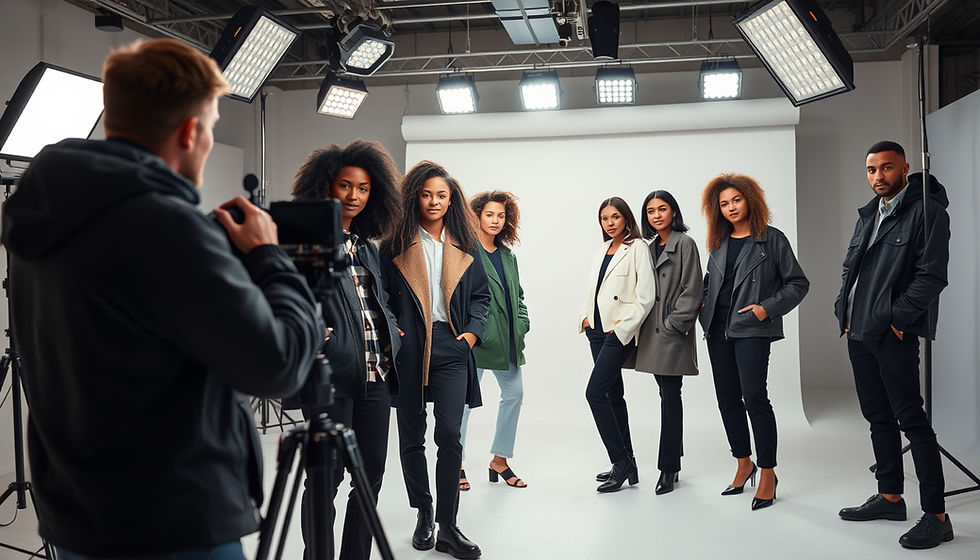
Experiential Storytelling and Social Engagement Strategies
Experiential storytelling combines interactive content with real-world experiences, often supported by social engagement strategies. This approach encourages audiences to participate, share, and become part of the brand narrative.
Examples of experiential storytelling in luxury:
Virtual events and launches: Hosting immersive online experiences where users can explore new collections or attend live Q&A sessions.
Pop-up installations: Physical spaces designed to engage senses and invite social sharing.
User-generated content campaigns: Encouraging customers to share their own stories related to the brand.
These strategies increase social engagement by making consumers active contributors rather than passive viewers. For influencers, this means content that feels authentic and shareable, which helps build community and loyalty.
The Role of New Technology in Shaping Luxury Content
New technology fuels this transformation by providing tools that enhance creativity and interaction. Some key technologies include:
Virtual reality (VR): Creating fully immersive brand worlds.
Artificial intelligence (AI): Personalizing content and recommendations.
Blockchain: Offering transparency and authenticity verification for luxury goods.
Brands that adopt these technologies can offer unique experiences that stand out in a crowded market. For example, a luxury car brand might use VR to let potential buyers take virtual test drives, combining excitement with convenience.

Practical Tips for Embracing Interactive Storytelling
If you want to create or promote luxury content that resonates, consider these practical steps:
Focus on experience: Think about how your audience can interact with your content, not just view it.
Use storytelling: Build narratives that connect emotionally and highlight craftsmanship or heritage.
Leverage new technology: Explore AR, VR, or interactive video tools to enhance engagement.
Encourage participation: Design campaigns that invite users to share their experiences or feedback.
Measure engagement: Track how users interact with your content to refine your social engagement strategies.
By combining these elements, you can create luxury content that feels alive and meaningful.
What This Means for You as a Technology Enthusiast or Influencer
You are at the forefront of content evolution. Understanding how luxury brands use interactive storytelling can inspire your own projects or collaborations. Whether you create tech reviews, lifestyle content, or immersive experiences, consider how you can:
Integrate interactive elements to boost engagement.
Tell stories that go beyond product features.
Use social engagement strategies to build a loyal audience.
Your followers seek authenticity and connection. Offering them experiences rather than just visuals will set you apart.


Comments