Fashion Houses That Define Eras Instead of Following Trends

Updated: Feb 4
Fashion houses have a unique power: they do not simply chase the latest fashion design trends. Instead, they create styles that shape entire eras. This ability to set the pace rather than follow it is what separates iconic fashion houses from the rest. Understanding how these brands operate reveals the core of their fashion house strategy and why their influence lasts far beyond seasonal cycles.
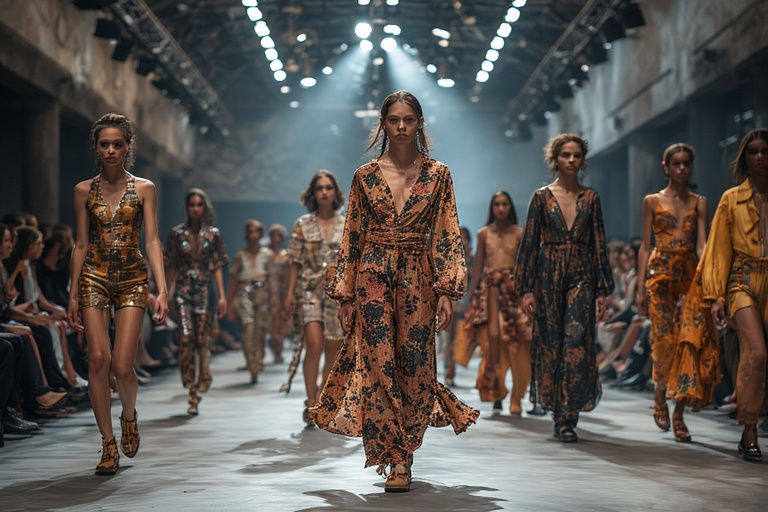
The Role of Fashion Houses in Shaping Culture
Fashion houses are cultural architects. When a new collection debuts, it often signals a shift in how society views style, identity, and even values. Unlike brands that chase fleeting fashion design trends, these houses build a fashion house strategy focused on innovation, craftsmanship, and storytelling.
For example, Coco Chanel revolutionized women’s fashion in the early 20th century by introducing comfortable yet elegant pieces like the little black dress and tweed suits. Chanel did not follow trends; it created a new standard that defined an era of modern femininity. This approach has been replicated by other houses that aim to leave a lasting mark.

How Fashion Houses Build Their Strategy
A successful fashion house strategy involves several key elements:
Visionary Leadership
Designers like Karl Lagerfeld at Chanel or Alessandro Michele at Gucci bring a clear vision that challenges norms. Their creativity sets new directions rather than reacting to existing trends.
Craftsmanship and Quality
High-quality materials and expert tailoring ensure that pieces transcend seasons. This focus on durability and detail supports a timeless appeal.
Cultural Relevance
Fashion houses often tap into social movements or historical moments. For instance, Dior’s “New Look” after World War II symbolized a return to luxury and femininity, defining the post-war era’s aesthetic.
Consistent Brand Identity
Maintaining a recognizable style helps fashion houses build loyalty and influence. Balenciaga’s sharp silhouettes or Yves Saint Laurent’s bold colors create a signature that stands apart.
These elements combine to create collections that do not just respond to fashion design trends but establish new ones.

Examples of Fashion Houses That Define Eras
1. Chanel
Chanel’s impact goes beyond clothing. It redefined women’s roles through fashion by introducing garments that allowed freedom of movement and self-expression. The brand’s fashion house strategy focuses on blending tradition with modernity, which keeps it relevant across decades.
2. Gucci
Under Alessandro Michele, Gucci transformed from a traditional luxury brand into a symbol of eclectic, maximalist style. This shift did not follow existing fashion design trends but created a new era of bold, gender-fluid fashion that resonates with younger generations.
3. Dior
Christian Dior’s debut collection in 1947 changed the fashion landscape with its emphasis on femininity and elegance. The “New Look” was a deliberate break from wartime austerity, setting a new standard for luxury fashion.
4. Balenciaga
Balenciaga’s sharp tailoring and architectural designs have influenced multiple generations. The house’s ability to reinvent itself while maintaining a strong identity shows how a clear fashion house strategy can define eras rather than chase trends.
Why Following Trends Limits Long-Term Impact
Brands that focus solely on fashion design trends often experience short-lived success. Trends come and go quickly and chasing them can dilute a brand’s identity. In contrast, fashion houses that define eras build a legacy that influences not only clothing but also culture and lifestyle.
This approach requires patience and a deep understanding of the brand’s core values. It also demands courage to take risks and challenge the status quo. The payoff is a lasting presence in the fashion world and beyond.

What Fashion Executives and Designers Can Learn
For fashion executives and designers aiming to build influential brands, the lesson is clear: focus on defining your own path. Develop a fashion house strategy that emphasizes:
Originality over imitation
Quality over quantity
Cultural connection over fleeting popularity
By doing so, brands can create collections that resonate deeply and endure. This mindset encourages innovation and positions a fashion house as a leader rather than a follower.


Comments