Luxury Economics: How Creators, Brands, and Investors Are Redefining Wealth in 2026

Updated: Feb 4
The world of luxury is changing fast. In 2026, wealth is no longer just about owning expensive things. Instead, creators, brands, and investors are shaping a new kind of luxury economics that blends creativity, technology, and smart investment. This shift is redefining what it means to be wealthy and how value is created and shared. Understanding this new landscape is essential for anyone involved in luxury markets, whether you are a creator, a brand owner, or an investor.
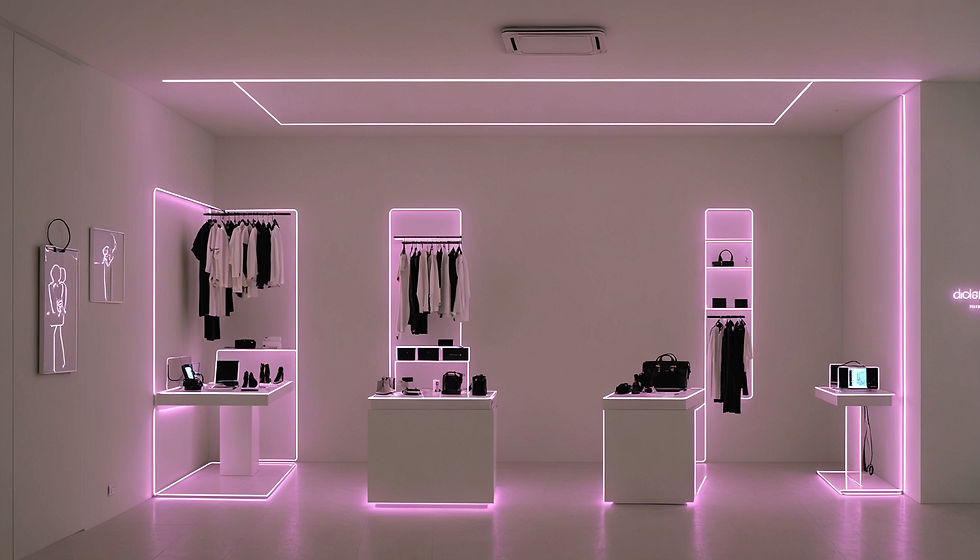
The New Face of Luxury Economics
Luxury economics today goes beyond traditional markers like price tags and exclusivity. It now includes intelligent wealth—a concept that combines financial success with cultural influence, sustainability, and innovation. This approach values experiences, authenticity, and long-term impact over short-term gains.
Creators play a central role in this shift. Artists, designers, and digital innovators are crafting unique products and experiences that resonate with consumers on a deeper level. Their work often challenges old luxury norms by emphasizing storytelling, craftsmanship, and ethical production.
Brands are responding by adapting their strategies. Instead of focusing solely on mass appeal or status symbols, luxury brands are investing in community building, personalized services, and collaborations with creators. This creates a more dynamic relationship with customers, who now seek meaning and connection in their purchases.
Investors are also changing their approach. They look for opportunities that combine profitability with social and environmental responsibility. This intelligent wealth mindset encourages investments in startups and projects that innovate in luxury sectors, such as sustainable fashion, digital art, and experiential travel.
How Creators Shape Intelligent Wealth
Creators are the driving force behind the new luxury economics. They bring fresh ideas and new ways to engage audiences. Here are some ways creators influence this landscape:
Limited Edition and Customization
Creators offer limited edition pieces or fully customized products that emphasize uniqueness. This appeals to consumers who want to stand out and own something truly special.
Sustainability and Ethical Practices
Many creators prioritize sustainable materials and ethical production. This aligns with the values of modern luxury consumers who care about the impact of their purchases.
Digital Innovation
The rise of NFTs (non-fungible tokens) and virtual goods has opened new avenues for creators to monetize their work. Digital art and collectibles create new forms of luxury that exist beyond physical products.
Storytelling and Authenticity
Creators use storytelling to add depth to their products. Sharing the creative process, cultural heritage, or personal journey behind a piece makes it more valuable to buyers.
For example, a designer who uses recycled materials to create a limited run of handbags can attract both luxury buyers and environmentally conscious consumers. This blend of creativity and responsibility reflects intelligent wealth in action.
Brands Adapting to New Luxury Demands
Luxury brands face the challenge of staying relevant in a market that values more than just status. To succeed, they must:
Build Communities
Brands create exclusive clubs, events, and online platforms where customers can connect with each other and the brand. This fosters loyalty and a sense of belonging.
Collaborate with Creators
Partnering with independent creators brings fresh perspectives and innovation. These collaborations often result in unique collections that generate buzz and attract new audiences.
Focus on Experience
Brands invest in immersive experiences such as private showings, personalized styling, and luxury travel packages. These experiences add value beyond the product itself.
Embrace Transparency
Sharing information about sourcing, production, and labor practices builds trust. Consumers increasingly demand honesty and accountability from luxury brands.
A notable example is a luxury watchmaker collaborating with a digital artist to create a hybrid physical and NFT collection. This approach appeals to both traditional collectors and tech-savvy investors, expanding the brand’s reach.

Investors and Intelligent Wealth in Luxury Markets
Investors are key players in shaping luxury economics. Their choices influence which brands and creators thrive. In 2026, investors focus on:
Sustainable and Ethical Ventures
Funding projects that prioritize environmental and social responsibility reduces risk and aligns with growing consumer demand.
Technology-Driven Innovation
Investing in startups that use AI, blockchain, and virtual reality to enhance luxury experiences opens new markets and revenue streams.
Long-Term Value Creation
Intelligent wealth means looking beyond quick profits. Investors support businesses that build lasting brand equity and customer loyalty.
Diversification Across Sectors
Luxury investors spread their capital across fashion, art, real estate, and digital assets to balance risk and capture emerging trends.
For instance, an investor might back a company developing sustainable luxury fabrics or a platform that connects creators with global buyers. These investments reflect a broader understanding of value that includes impact and innovation.
The Role of Technology in Redefining Wealth
Technology plays a crucial role in the new luxury economics. It enables creators, brands, and investors to connect and innovate in ways that were impossible before.
Blockchain and NFTs
These tools provide proof of authenticity and ownership, which are vital in luxury markets. They also create new revenue models for creators.
Artificial Intelligence
AI helps brands personalize customer experiences, predict trends, and optimize supply chains, making luxury more accessible and efficient.
Virtual and Augmented Reality
VR and AR offer immersive shopping and product experiences, allowing customers to explore luxury items in digital spaces.
Data Analytics
Brands and investors use data to understand consumer behavior and market dynamics, enabling smarter decisions.
These technologies support the intelligent wealth approach by combining financial success with innovation and customer engagement.
Practical Steps for Creators, Brands, and Investors
To thrive in the evolving luxury economics, each group can take specific actions:
Creators
Focus on quality and storytelling
Use sustainable materials and ethical methods
Explore digital platforms for new revenue streams
Build direct relationships with customers
Brands
Invest in community and experience
Partner with innovative creators
Increase transparency and sustainability
Use technology to personalize and enhance offerings
Investors
Prioritize long-term, responsible investments
Support technology-driven innovation
Diversify across luxury sectors
Engage with creators and brands to understand market shifts
These steps help build intelligent wealth that benefits all stakeholders and drives sustainable growth.
Looking Ahead: The Future of Luxury Economics
The luxury market in 2026 is more complex and interconnected than ever. Wealth is measured not just by money but by influence, creativity, and responsibility. Creators, brands, and investors who embrace this new model will lead the way.
This shift offers exciting opportunities for those willing to adapt. By focusing on intelligent wealth, the luxury sector can create value that lasts and resonates deeply with modern consumers.
Understanding these changes is essential for anyone involved in luxury markets. The future belongs to those who combine financial success with meaningful impact.


Comments