Precision, Power, Perfection: The Next Generation of Streaming Equipment

Streaming technology has transformed how content creators, producers, and television companies deliver their work. As audiences demand higher quality and more immersive experiences, the equipment behind streaming must evolve. The next generation of streaming gear promises to bring precision, power, and perfection to every broadcast and live event. This post explores the latest advancements and practical tools that are shaping the future of streaming.

Precision in Capture and Control
The foundation of any great stream is the quality of the captured content. New streaming equipment focuses on delivering precise image and sound capture to meet the expectations of today’s viewers.
4K and Beyond: Cameras now routinely offer 4K resolution, with some models pushing into 8K territory. This means sharper images, richer details, and more flexibility in post-production cropping or zooming without losing quality.
Improved Sensors: Modern sensors handle low light better, reducing noise and maintaining color accuracy. This is crucial for live events where lighting conditions can vary.
Advanced Audio Capture: Microphones and audio interfaces have improved to capture clearer sound with less interference. Some devices include built-in noise suppression and spatial audio capabilities, creating a more immersive listening experience.
Precision also extends to control interfaces. Touchscreen panels, customizable buttons, and remote-control apps allow operators to adjust settings on the fly, ensuring the stream looks and sounds perfect at every moment.
Power to Stream Seamlessly
Streaming technology depends heavily on reliable, powerful hardware to process and transmit data without hiccups. The next generation of equipment offers significant improvements in processing power and connectivity.
High-Performance Encoders: New encoders handle complex compression algorithms faster and more efficiently. This reduces latency and improves stream stability, even at high resolutions.
Multi-Platform Support: Devices now support simultaneous streaming to multiple platforms like YouTube, Twitch, and Facebook Live. This expands reach without needing separate setups.
Robust Network Integration: Streaming gear integrates with 5G and fiber-optic networks, providing faster upload speeds and more consistent connections. Some devices include failover systems that switch automatically to backup networks if the primary connection drops.
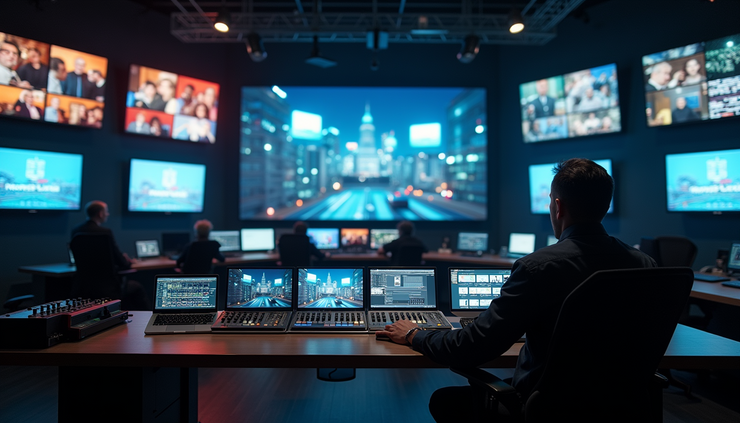
Powerful streaming setups also include hardware capable of handling multiple video sources, switching between cameras, and adding graphics or overlays in real time. This flexibility is essential for live shows, sports broadcasts, and interactive content.
Perfection in User Experience and Output
The final goal of streaming equipment is to deliver a flawless experience to viewers. The latest tools focus on ease of use, reliability, and output quality.
User-Friendly Interfaces: Software and hardware now feature intuitive designs that reduce the learning curve. Content creators can focus on storytelling rather than technical troubleshooting.
Automated Quality Checks: Some systems include AI-driven monitoring that detects issues like dropped frames, audio sync problems, or network instability and alerts operators immediately.
Customizable Output: Streamers can tailor resolution, bitrate, and encoding settings to match their audience’s devices and internet speeds. Adaptive streaming technology adjusts quality dynamically, preventing buffering and interruptions.
For example, a television company broadcasting a live concert can use these tools to switch camera angles smoothly, balance audio levels automatically, and ensure the stream adapts to viewers watching on phones or large screens.

Practical Examples of Next-Gen Streaming Equipment
Blackmagic Design ATEM Mini Pro: This compact switcher allows creators to connect multiple cameras, add graphics, and stream directly to platforms with built-in encoding. It’s popular among small studios and independent producers.
Elgato Stream Deck: A customizable control pad that simplifies switching scenes, launching media, and controlling streaming software with the press of a button.
Sony FX6 Camera: A cinema-grade camera with excellent low-light performance and fast autofocus, ideal for professional streaming setups.
Teradek VidiU Go: A portable encoder that supports 5G and bonded cellular connections, perfect for outdoor live streaming where wired internet is unavailable.
What This Means for Content Creators and Producers
The next generation of streaming equipment empowers creators to produce higher-quality content with less hassle. It supports more complex productions, including multi-camera setups, live graphics, and interactive features. Television companies can deliver broadcasts that rival traditional TV in quality while reaching global audiences online.
Investing in the right equipment means fewer technical issues, better viewer engagement, and more creative freedom. As streaming technology continues to improve, content creators will find new ways to connect with their audiences and tell stories that stand out.


Comments